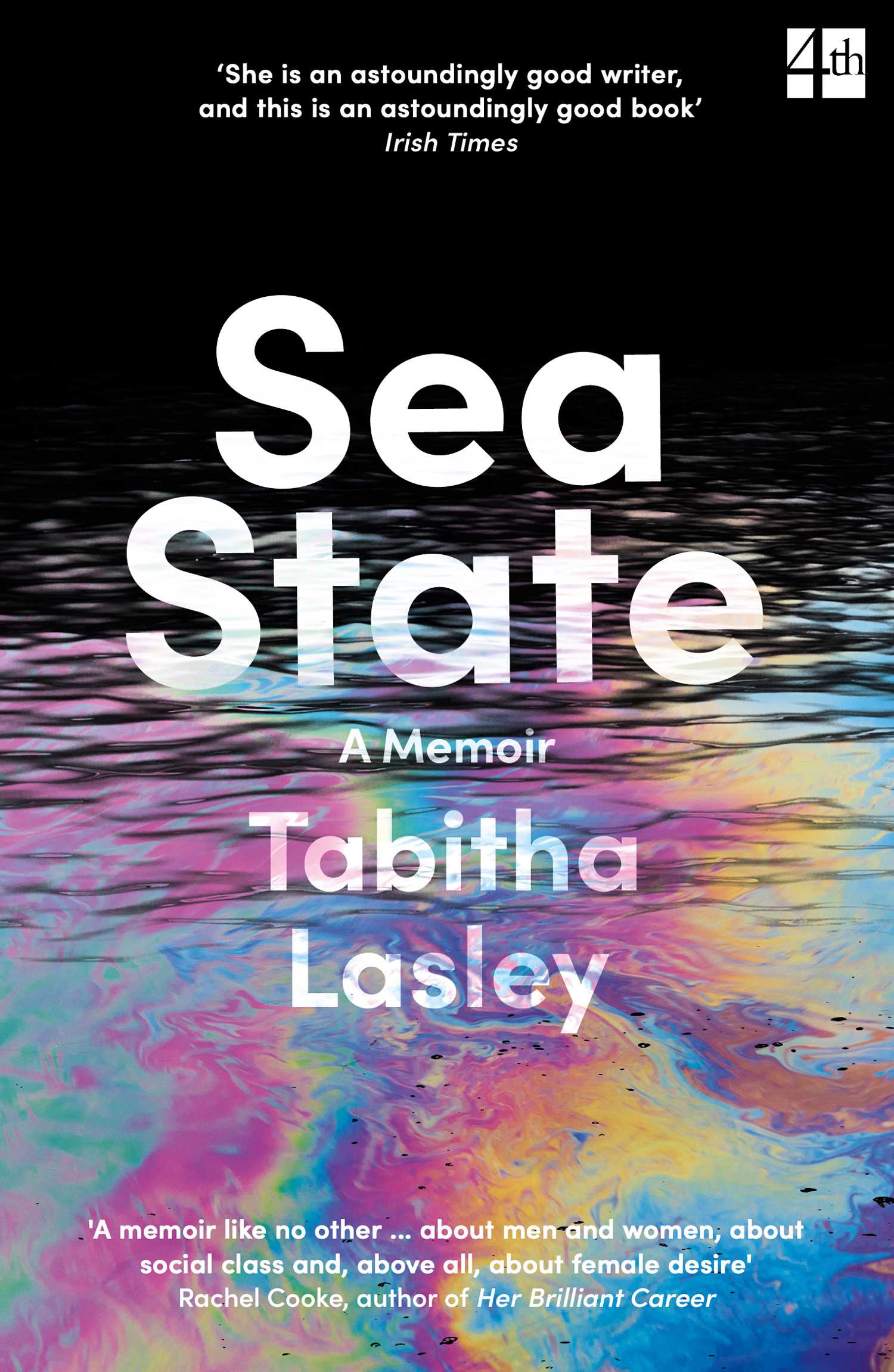
Sea State is, on the one hand, a portrait of an overlooked industry, and a fascinating subculture in its own right: ‘offshore’ is a way of life for generations of British workers, primarily working class men. Offshore is also a potent metaphor for a lot of things we might rather keep at bay – class, masculinity, the North-South divide, the transactional nature of desire, the terrible slipperiness of the ladder that could lead us towards (or away from) real security, just out of reach. And Sea State is, too, the story of a journalist whose distance from her subject becomes perilously thin. In Aberdeen, when she’s not researching the book, Tabitha takes pills and dances with a forgotten kind of abandon – reliving her Merseyside youth, when the music was good and the boys were bad. Twenty years on, there is Caden: a married rig worker who spends three weeks on and three weeks off. Alone and increasingly precarious, she dives in deep. The relationship, reckless and explosive, lays them both bare.
- Publisher: Fourth Estate
- Publication date: 04/02/2021
- ISBN: 9780008390945
- Page extent: 224
- Format: Paperback
- Dimensions: 216 mm x 135 mm